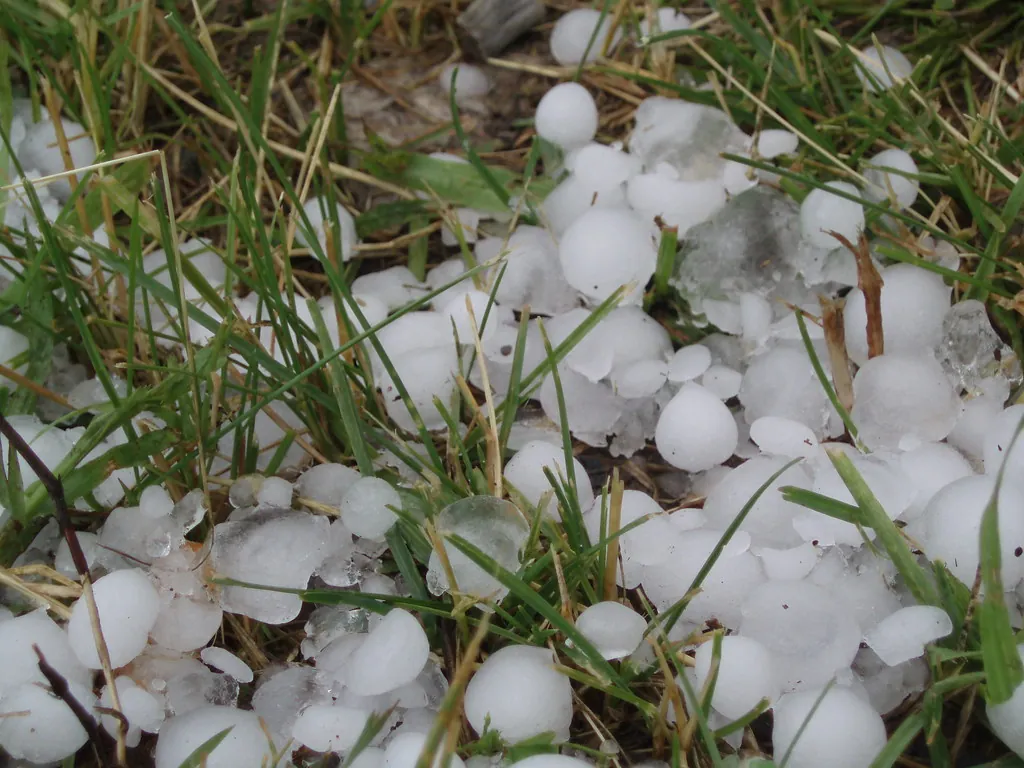
Summer storms on the Snake River Plain often move fast, and the damage they leave is easy to miss from the ground. Good documentation in the first days after a storm can make the difference between a fair claim and a long dispute.
Start on the ground
- Photograph dents in gutters, downspouts, mailboxes, window screens and HVAC fins. Soft metals show hail clearly.
- Look for spatter marks on fences, decks and siding.
- Note the direction damage faces. Hail and wind usually hit one side harder.
- Photograph debris, shingle pieces and granules collecting at downspouts.
Then the roof, safely
Don’t climb onto a roof unless you’re trained and equipped. A roofer or inspector can photograph each slope, mark impacts and record lifted or creased shingles. Ask for photos of every plane, not just the worst one.
Pull storm data
Weather records and storm reports from the National Weather Service can confirm hail size and wind speeds near your address on the date of loss. Commercial hail-history reports are also available. Include them with your claim.
Write a short timeline
Note when the storm hit, when you noticed damage, when you reported it and when temporary repairs were made. Keep receipts.
Mistakes to avoid
- Waiting months to report. Damage ages and becomes harder to attribute.
- Letting a contractor tear off the roof before the insurer inspects.
- Accepting a test-square inspection that covers only part of the roof without asking for a full inspection.
Documenting hail damage carefully is the foundation of any later supplement or appraisal.