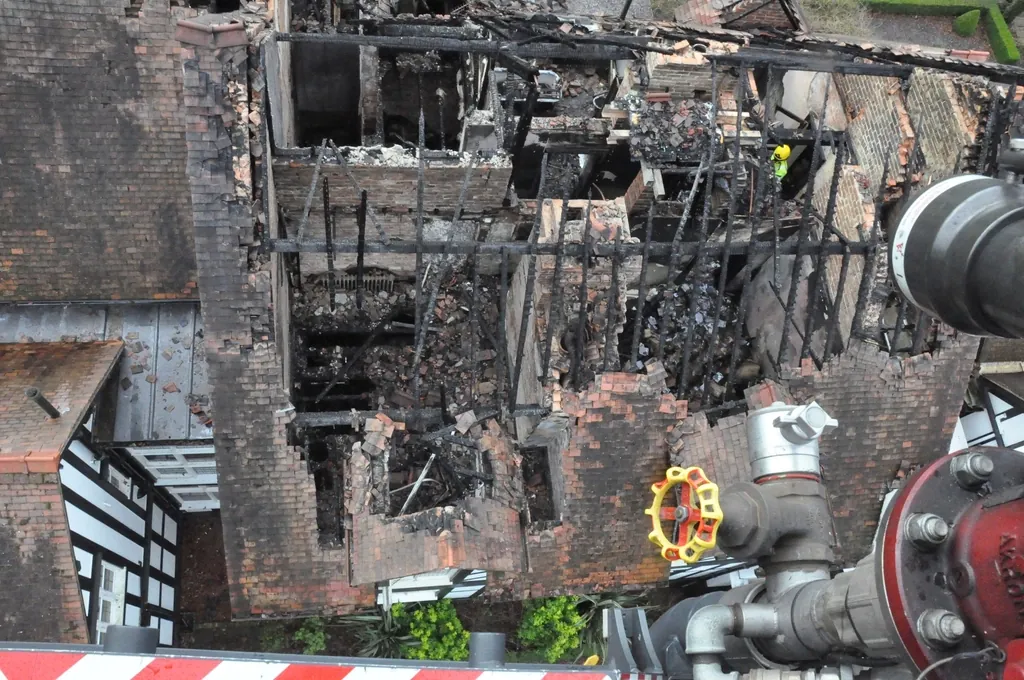
The damage you can’t see
Smoke travels through ductwork, wall cavities and attic space. Soot is acidic and etches finishes over time. Fire-suppression water soaks insulation and subfloors. Estimates that focus on burned rooms often treat the rest of the house with a cleaning allowance, and that can leave odor and residue behind long after the repairs are “done.”
Where fire claims are disputed
- Clean versus replace for smoke-affected drywall, insulation, cabinetry and HVAC components.
- Odor control such as sealing framing, thermal fogging and duct cleaning or replacement.
- Code upgrades triggered when a large portion of a home is rebuilt, which depends on ordinance-or-law coverage.
- Contents inventories priced below replacement cost or depreciated harshly.
- Additional living expense timelines that don’t match a realistic rebuild schedule.
How we approach fire damage appraisal
We document the burn pattern and the reach of smoke throughout the structure, review any testing, and build a restoration scope that reflects what it takes to remove residue and odor permanently. When replacement is the only reliable option, we price it fully. When cleaning is enough, we price the cleaning properly.
For losses caused by an approaching wildfire, see our wildfire claim appraisal page, which covers ember damage, regional smoke and total losses in the wildland-urban interface.
Questions about fire damage appraisal
The carrier wants to clean my cabinets. I want them replaced. Who decides?
If coverage is accepted and you disagree on the method and cost, that disagreement over the amount of loss can go to appraisal. Testing and expert opinions often help the panel.
Does appraisal cover my contents list?
It can. Contents valuation is part of the amount of loss when the policy covers personal property.
Can appraisal speed up my additional living expense payments?
Appraisal can settle disputed amounts, including some ALE disputes, but it doesn’t control when the carrier issues payments. Ask your insurer for the timeline in writing.